
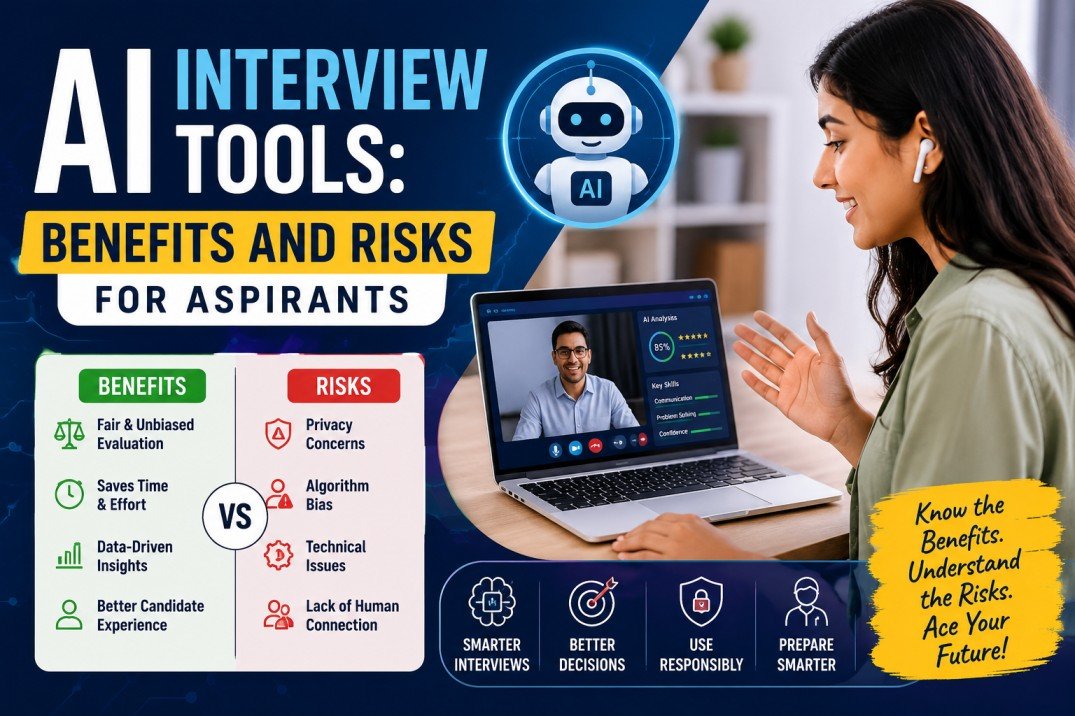
The modern United States job market is undergoing a rapid transformation. AI Interview Tool.Companies now rely on sophisticated software to screen candidates, fundamentally changing how professionals approach their career growth. Achieving Job search success today requires more than just a polished resume; it demands an understanding of the digital gatekeepers managing the hiring process.

Many applicants utilize innovative technology to practice their responses and refine their delivery. While these systems offer impressive efficiency, they also introduce complex challenges that every candidate must navigate carefully. Balancing human authenticity with automated expectations is the new standard for landing your dream role.
Key Takeaways : AI Interview Tools
- Automated screening platforms are now standard in the American recruitment landscape.
- Leveraging modern software can significantly boost your overall Job search success.
- Candidates must balance technical optimization with genuine human communication.
- Understanding how these systems evaluate performance is essential for modern applicants.
- Awareness of potential biases in automated systems helps candidates prepare more effectively.
The Evolution of the Modern Hiring Process
Modern recruitment has shifted from human-centric manual labor to a data-driven digital ecosystem. These digital hiring trends have fundamentally altered how companies identify and attract toptier talent in a competitive market. Organizations no longer rely solely on intuition, choosing instead to leverage sophisticated software to manage the influx of applications.
The Shift Toward Automated Screening
AI Interview Tools In the past, recruiters spent countless hours reviewing paper resumes to find qualified candidates. Today, automated recruitment allows firms to process thousands of applications in mere seconds. This transition is essential for maintaining hiring process efficiency when dealing with high-volume job postings.
By utilizing intelligent algorithms, companies can instantly filter candidates based on specific skills, experience, and certifications. This ensures that only the most relevant profiles reach the desk of a human hiring manager. Consequently, the initial stage of the funnel has become almost entirely machine-led.
How AI Interview Tools Are Reshaping Recruitment
The integration of AI tools has moved beyond simple resume parsing into the realm of behavioral assessment. These platforms analyze candidate responses to predict job performance and cultural fit before a face-to-face meeting occurs. This automated recruitment approach provides a standardized evaluation that reduces human subjectivity.
As digital hiring trends continue to evolve, the focus remains on optimizing the candidate experience while maintaining rigorous standards. The following table highlights the core differences between traditional methods and modern, AI-driven workflows.
| Feature | Traditional Hiring | AI-Driven Hiring |
| Screening Speed | Slow (Manual) | Instant (Automated) |
| Candidate Volume | Limited Capacity | High Scalability |
| Hiring Process Efficiency | Low | High |
| Evaluation Bias | High (Human) | Reduced (Algorithmic) |
Key Benefits of Using AI Interview Tools
Modern job seekers are increasingly leveraging AI Interview Tools to gain a competitive edge in a crowded labor market. These platforms provide a structured environment that helps applicants refine their delivery and build lasting confidence. By integrating these resources into your routine, you can significantly improve your overall hiring process efficiency.
Improving Candidate Performance Through Mock Interviews
Effective interview preparation often requires repetitive practice in a low-stakes environment. AI-driven mock sessions allow you to simulate high-pressure scenarios without the anxiety of a real recruiter watching. You can record your responses, review your body language, and refine your answers until they feel natural and polished.
These simulations help you identify nervous habits that might otherwise go unnoticed. By practicing consistently, you transform your delivery from hesitant to authoritative and clear. This level of preparation ensures you walk into your actual interview feeling fully equipped to succeed.
Real-Time Feedback and Skill Gap Identification
One of the most powerful features of modern AI Interview Tools is the ability to receive instant, data-driven feedback. Instead of waiting days for a recruiter to respond, you get immediate insights into your pacing, tone, and keyword usage. This rapid feedback loop allows you to address specific skill gaps in real time.
You can pinpoint exactly where your message loses impact or where your confidence wavers. By focusing on these specific areas, you can sharpen your communication style to better align with what hiring managers are looking for. This targeted approach makes your study time much more productive.
Accessibility and Convenience for Remote Aspirants
The rise of remote hiring has changed how candidates connect with employers across the United States. AI platforms support this shift by offering a flexible, on-demand experience that fits into any schedule. Whether you are at home or traveling, you can access high-quality coaching tools from any device with an internet connection.
This accessibility democratizes the preparation process, ensuring that every candidate has the resources needed to excel. By removing geographical barriers, these tools contribute to greater hiring process efficiency for both the applicant and the organization. Embracing this technology is a smart move for any professional looking to advance their career in a digital-first world.
Understanding the Mechanics of AI Assessment Platforms
Decoding the complex technology behind modern hiring reveals how your responses are truly measured by digital systems. These platforms utilize sophisticated algorithms to standardize the evaluation process across thousands of applicants. By leveraging AI Interview Tools, companies aim to remove human subjectivity from the initial screening phase.
Natural Language Processing in Behavioral Analysis
At the core of these systems lies Natural Language Processing, or NLP. This technology parses your spoken words to identify patterns, keywords, and the overall structure of your answers. It is primarily used for behavioral analysis to determine if your past experiences align with the core competencies required for the role.
The software looks for specific indicators of problem-solving, leadership, and adaptability. By comparing your vocabulary against high-performing employee profiles, the system assigns a score to your communication style. Precision and clarity are vital when interacting with these language models.
Facial Expression and Micro-Gesture Recognition
Beyond the words you speak, computer vision tracks your non-verbal cues throughout the session. The platform monitors your eye contact, head movements, and facial expressions to gauge your engagement levels. These micro-gestures provide the software with data points regarding your confidence and honesty.
While this might feel intrusive, the goal is to quantify traits like enthusiasm and composure. Consistent eye contact and a neutral, professional posture help the algorithm interpret your body language positively. The system essentially maps your facial landmarks to detect subtle shifts in mood or focus.
Voice Modulation and Sentiment Analysis
The final layer of assessment involves your vocal delivery. Through sentiment analysis, the platform evaluates the tone, pitch, and speed of your speech. This process identifies whether your voice conveys confidence, hesitation, or genuine passion for the position.
Advanced sentiment analysis tools can even detect emotional undertones that might contradict your spoken words. Maintaining a steady, clear, and energetic tone is essential for success. By mastering these technical nuances, you can better align your performance with the expectations of modern behavioral analysis frameworks.
The Risks and Ethical Concerns of AI Interview Tools
While AI Interview Tools offer efficiency, they introduce complex ethical dilemmas that every job seeker must understand. These platforms promise to streamline recruitment, yet they often operate as “black boxes” that lack transparency. Applicants should remain vigilant about how these systems evaluate their potential.
Algorithmic Bias and Diversity Implications
One of the most pressing issues is algorithmic bias, which occurs when software inherits the prejudices present in its training data. If a system is trained on historical hiring patterns that favored specific demographics, it may inadvertently penalize qualified candidates from diverse backgrounds. This creates a systemic barrier that is difficult for applicants to identify or challenge AI Interview Tools.
“The danger of automated hiring is not just in the technology itself, but in the historical data we feed it, which often mirrors our own societal blind spots.”
Data Privacy and the Security of Candidate Information
Protecting your personal information is vital when engaging with digital assessment platforms. Data privacy concerns arise because these tools often collect sensitive biometric data, including facial expressions and voice patterns. Candidates must ensure they understand how their information is stored, shared, and protected from potential breaches.
| Risk Factor | Primary Impact | Candidate Concern |
| Algorithmic Bias | Unfair Screening | Reduced Opportunity |
| Data Privacy | Information Leakage | Identity Security |
| Dehumanization | Lack of Empathy | Poor Engagement |
The Dehumanization of the Hiring Experience
The candidate experience often suffers when human interaction is replaced by cold, automated feedback loops. Many applicants report feeling like a mere data point rather than a professional with unique skills and aspirations. This dehumanization can leave a lasting negative impression of a company’s culture before the interview process even concludes AI Interview Tools.
Maintaining a balance between technology and human connection remains a significant challenge for modern recruiters. While automation is here to stay, companies must prioritize transparency to ensure that the hiring process remains fair and respectful for everyone involved AI Interview Tools.
Popular AI Interview Platforms for Job Seekers
Many job seekers are turning to advanced technology to gain a competitive edge in their interview preparation. These digital solutions provide a safe space to practice responses and refine delivery before meeting with a hiring manager. By utilizing these resources, candidates can build the confidence needed to succeed in high-stakes environments.
Yoodli for Communication Coaching
Yoodli serves as a personal trainer for your speaking skills. AI Interview Tools It focuses on Communication coaching by analyzing your pacing, filler words, and eye contact during practice sessions. This platform helps you identify areas where you might sound hesitant or unclear, allowing you to polish your delivery until it feels natural and professional.
Interview Warmup by Google
Interview Warmup is a highly accessible tool designed to help users get comfortable with common industry questions. It allows you to record your answers and receive instant feedback on your content and clarity. This tool is particularly useful for those who want to practice without the pressure of a live audience, making it a staple for effective interview preparation.
Big Interview for Behavioral Practice
Big Interview offers a comprehensive suite of features for mastering behavioral questions. It uses advanced sentiment analysis to evaluate the tone and emotional resonance of your responses. By integrating these AI Interview Tools into your routine, you can ensure your answers align with the expectations of modern recruiters while maintaining your unique professional voice.
Navigating the Technical Challenges of AI-Driven Interviews
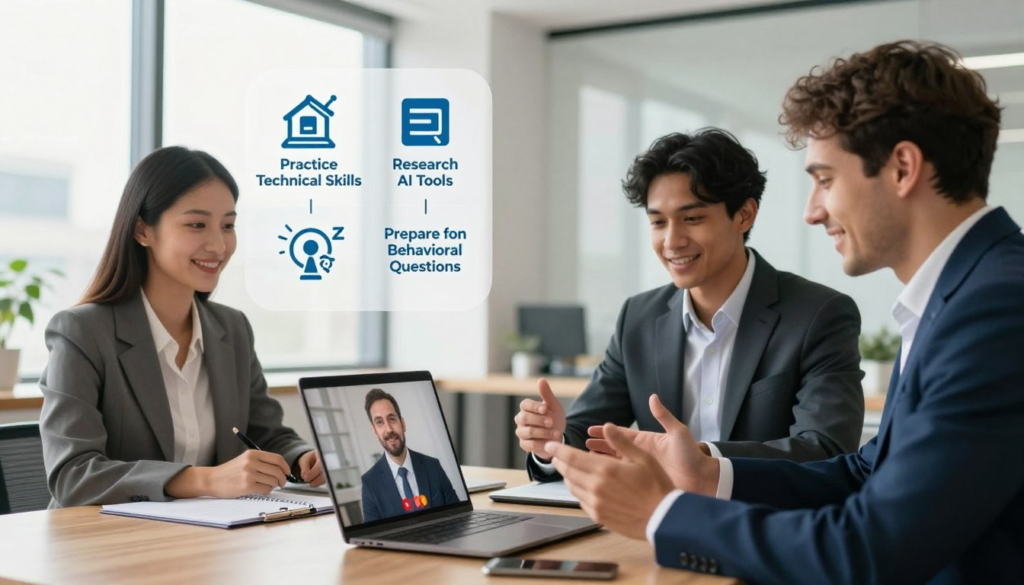
When participating in remote hiring, your environment plays a critical role in how AI Interview Tools interpret your responses. Small technical oversights can lead to misinterpretations by the software, potentially impacting your final score. By taking control of your digital workspace, you ensure that the technology focuses on your qualifications rather than environmental distractions.
Optimizing Your Environment for Computer Vision
Computer vision algorithms rely on clear visual data to analyze facial expressions and micro-gestures. To avoid triggering false negatives, you must prioritize proper lighting and a clean background AI Interview Tools.
- Ensure your light source is in front of you, not behind, to prevent silhouettes.
- Use a neutral, clutter-free background to help the software isolate your face.
- Position your camera at eye level to maintain a natural, professional gaze.
Best Practices for Clear Audio Input
Sentiment analysis and voice modulation tools require high-quality audio to function effectively. Background noise can introduce algorithmic bias if the software struggles to distinguish your voice from ambient sounds.
Always test your microphone settings before the session begins. Using a dedicated headset with a noise-canceling feature is a highly recommended virtual interview tips strategy. This ensures your tone and inflection are captured accurately, allowing the AI to evaluate your communication skills fairly.
Managing Technical Glitches During Automated Sessions
Even with the best preparation, technical issues can occur during remote hiring. Maintaining a stable internet connection is the most effective way to prevent dropped frames or audio lag.
If a glitch occurs, remain calm and document the incident immediately. Protecting your data privacy is equally important; ensure you are using a secure, private network rather than public Wi-Fi. If the platform allows, keep a secondary device ready as a backup to ensure you can complete your assessment without unnecessary stress AI Interview Tools.
Strategies for Success in AI-Assisted Interviews
Success in modern hiring often depends on your ability to bridge the gap between human personality and machine logic. As companies increasingly rely on AI Interview Tools, candidates must refine their approach to ensure their qualifications are clearly understood by automated systems. Mastering these virtual interview tips can provide a significant advantage in a crowded job market.
Adapting Communication Styles for Machine Evaluation
When interacting with an automated platform, clarity is your greatest asset. Machines often struggle with heavy accents, excessive filler words, or rapid speech patterns. You should practice speaking at a steady, moderate pace to ensure the system accurately captures your responses during behavioral analysis.
Consider utilizing communication coaching resources to refine your delivery. By structuring your answers using the STAR method—Situation, Task, Action, and Result—you provide the AI with a clear, logical framework to evaluate. This structured approach helps the software identify your core competencies more effectively AI Interview Tools.
Balancing Authenticity with Keyword Optimization
It is tempting to pack your responses with industry jargon to impress the algorithm. However, over-optimizing can make your delivery sound robotic and insincere. You must strike a balance by weaving relevant keywords naturally into your authentic storytelling.
Focus on the specific skills listed in the job description while maintaining a conversational tone. When you speak with genuine enthusiasm, you improve your chances of job search success. Remember that the goal is to demonstrate your value while remaining relatable to the eventual human reviewer AI Interview Tools.
Preparing for the Human-in-the-Loop Follow-up
The final stage of an automated assessment is rarely the end of the road. Most platforms are designed to filter candidates for a subsequent human-in-the-loop interview. You should treat your AI session as a bridge to that personal interaction AI Interview Tools.
Ensure your answers remain consistent throughout the process, as recruiters will compare your AI-recorded responses with your live performance. By maintaining a professional demeanor and clear communication, you set the stage for a successful transition to the next round. This preparation is essential for long-term job search success in a tech-driven hiring environment.
The Future of AI in the United States Job Market
Emerging digital hiring trends suggest that the future of work will be defined by a delicate balance between machine efficiency and human oversight. As companies continue to adopt AI Interview Tools, the entire recruitment lifecycle is becoming faster and more data-driven. This shift promises to streamline operations while posing new questions about fairness and equity in the workplace.

Regulatory Trends and Candidate Rights
In the United States, lawmakers are increasingly focused on the implications of automated recruitment. New legislative efforts aim to ensure that candidates remain protected against opaque decision-making processes. These regulations often mandate that companies provide clear disclosures when software is used to evaluate applicants AI Interview Tools.
Key areas of focus for upcoming policy changes include:
- Mandatory audits of algorithms to detect and mitigate bias.
- Requirements for human intervention in final hiring decisions.
- Clear communication regarding how candidate data is stored and processed.
- The right for applicants to request an explanation for automated rejections.
The Integration of Generative AI in Talent Acquisition
The next phase of the future of work involves the deep integration of generative models into talent acquisition systems. Unlike earlier versions of AI Interview Tools, these advanced systems can simulate complex scenarios and generate nuanced feedback for candidates. This evolution is transforming automated recruitment from a simple screening filter into a sophisticated coaching partner AI Interview Tools.
Read Also : Top 10 talent acquisition method for Hr Professional
As these tools become more prevalent, organizations are prioritizing transparency to maintain trust with top-tier talent. By combining the speed of machine learning with ethical oversight, the industry is moving toward a more equitable hiring landscape. These digital hiring trends indicate that while technology will handle the heavy lifting, the human element remains essential for building authentic professional connections.
Conclusion
Tools represent a significant shift in how companies identify talent. These platforms offer impressive efficiency gains for recruiters while presenting unique challenges for job seekers. Balancing these automated systems with personal integrity remains the best path forward.
The modern Candidate experience is evolving rapidly as algorithms play a larger role in initial screenings. You must view these tools as partners in your preparation rather than obstacles to your success. Mastering the technical requirements of these platforms allows you to showcase your skills with greater confidence AI Interview Tools.
Human judgment remains a vital component of the hiring process despite the rise of machine learning. Companies still rely on personal interviews to assess cultural fit and complex problem-solving abilities. Your ability to communicate effectively with both software and people will define your professional trajectory AI Interview Tools.
The Future of work demands a high level of adaptability from every professional. Staying informed about regulatory trends and ethical standards will protect your interests during the application process. Embrace these technological advancements to sharpen your competitive edge in the United States job market AI Interview Tools.
Refining your approach to digital assessments will yield better results over time. Practice consistently with tools like Yoodli or Interview Warmup to stay ahead of the curve. Your proactive mindset is the most powerful asset you possess in this changing landscape AI Interview Tools.
FAQ
How do AI Interview Tools impact job search success for modern aspirants?
These tools significantly enhance job search success by providing hiring process efficiency through automated screening. By utilizing AI Interview Tools, candidates can engage in structured mock interviews to receive real-time feedback, allowing them to refine their delivery and address specific skill gaps before meeting a human recruiter.
What are the most effective platforms for AI-driven interview preparation?
Several industry-leading platforms help candidates navigate digital hiring trends. Yoodli is highly regarded for its specialized communication coaching, while Interview Warmup by Google and Big Interview provide robust behavioral practice. These tools leverage sentiment analysis to help users refine their responses to common professional prompts.
How do these technologies analyze my performance during a virtual session?
The underlying mechanics involve sophisticated Natural Language Processing (NLP) for deep behavioral analysis. Additionally, many platforms use computer vision to evaluate facial expressions and micro-gesture recognition, alongside voice modulation software to assess the tone and confidence of the applicant.
Are there ethical risks associated with the use of automated recruitment systems?
Yes, the rise of automated recruitment has sparked discussions regarding algorithmic bias, which can inadvertently impact diversity if not properly monitored. Furthermore, data privacy and the potential dehumanization of the candidate experience are significant concerns that companies must address to maintain trust in the future of work.
What are the best virtual interview tips for interacting with an AI?
To ensure the best results, remote aspirants should focus on optimizing their environment for computer vision by ensuring proper lighting and a neutral background. Providing clear audio input is essential for accurate Natural Language Processing, and being prepared for minor technical glitches will help maintain a professional composure during remote hiring sessions AI Interview Tools.
How should I adapt my communication style for a machine-led evaluation?
Success requires a balance between authentic storytelling and strategic keyword optimization. While the AI conducts a behavioral analysis based on your vocabulary and phrasing, it is important to remain natural to ensure a smooth transition when you reach the human-in-the-loop stage of the hiring cycle AI Interview Tools.
What does the future of work look like regarding AI in talent acquisition?
The future of work in the United States will likely see an increased integration of generative AI within talent acquisition frameworks. As these technologies evolve, new regulatory trends are emerging to protect candidate rights, ensuring that digital hiring trends remain transparent, secure, and focused on finding the best fit for both the employer and the applicant AI Interview Tools.