MMRDA Exam Crack Strategy for 2026

MMRDA Exam Crack Strategy 2026

MMRDA Exam Crack Strategy for 2026 Reaching your professional goals is an exciting journey for everyone today. Finding a clear path to success is vital when you face tough competition in a busy market. We want to assist you in navigating this process with confidence and ease. Our guide offers a friendly look at MMRDA Exam Preparation to boost your scoring potential. By following these steps, you can master core subjects and feel ready. This approach helps you stay ahead of the pack throughout your journey. Developing a smart plan is the best way to reach your career dreams and secure your future. We focus on giving you the right tools to perform well during the assessment. These techniques are designed to help you score big on the final day. We will walk you through the landscape and provide tips that truly work. Let us help you gain the skills needed to succeed in your chosen field. You have the power to transform your hard work into real results. Key Takeaways : MMRDA Exam Crack Strategy for 2026 Understanding the MMRDA Exam Landscape Understanding the MMRDA exam landscape is the first step towards a successful preparation strategy. It’s crucial to grasp the exam’s structure, syllabus, and question patterns to devise an effective study plan. Decoding the Official Notification and Syllabus The official notification and syllabus are the primary sources of information for any competitive exam. The MMRDA Exam Syllabus outlines the topics and subjects that will be tested. Aspirants should carefully analyze the syllabus to identify key areas of focus. Analyzing Previous Year Question Trends Analyzing previous year’s question papers helps in understanding the exam pattern and identifying recurring topics. This MMRDA Exam Analysis enables aspirants to prioritize their study material and focus on high-weightage areas. By combining the insights from the official syllabus and previous year trends, aspirants can create a comprehensive study plan tailored to the exam’s requirements. Developing Your MMRDA Exam Crack Strategy for 2026 To crack the MMRDA Exam in 2026, it’s crucial to develop a tailored strategy that aligns with the exam’s latest syllabus and pattern. A well-crafted strategy not only helps in managing time effectively but also ensures that you cover all the necessary topics. Setting Realistic Milestones and Goals Setting realistic milestones and goals is the foundation of a successful MMRDA Exam strategy. It’s essential to assess your current level of preparation and set achievable targets. This involves: Realistic goal-setting helps maintain motivation and track progress effectively. It’s also important to regularly review and adjust your goals as needed to stay on track. Creating a Balanced Study Schedule : MMRDA Exam Crack Strategy for 2026 A balanced study schedule is critical to avoid burnout and ensure comprehensive coverage of the syllabus. This involves allocating time for: A well-balanced schedule allows for flexibility and adjustments based on your progress. It’s also beneficial to include time for revision and practice tests to reinforce your learning. By following these guidelines and maintaining a consistent effort, you can develop a robust MMRDA Exam strategy that enhances your chances of success in 2026. Mastering the Core Technical Subjects For MMRDA Exam aspirants, having a deep understanding of technical subjects is not just beneficial, it’s essential. The technical subjects form the core of the exam and require a strategic approach to master. To begin with, it’s vital to identify and prioritize the high-weightage engineering topics. These topics are crucial as they not only carry more marks but also help in building a strong foundation in the subject matter. Prioritizing High-Weightage Engineering Topics Prioritizing the right topics can make a significant difference in your preparation. Focus on the topics that are frequently asked and carry more weightage. Analyzing previous year’s question papers can provide insights into the important topics. Topic Weightage Importance Level Structural Engineering 20% High Transportation Engineering 15% Medium … Read more
Jalsampada Vibhag Exam Strategy 2026 for maharashtra government 

Jalsampada Vibhag Exam Strategy 2026

Securing a position in the water resources department requires a disciplined plan and steady focus. This guide provides an essential path to help you pass the Jalsampada Vibhag Exam Strategy 2026 . We want to make your journey easy with clear and friendly advice to boost your morale. Cracking a competitive Maharashtra government exam might feel difficult at first. However, using the right exam preparation tips builds your confidence and keeps you moving forward. We will show you how to manage your time and learn the full syllabus well. By following these steps, you will be ready for the big test in 2026. Staying organized is the main secret to winning your career goal. You have the talent, and now you just need a better strategy to shine during the selection process. Many students feel overwhelmed by the vast amount of information required. Our goal is to simplify the learning process so you can focus on what matters. With the right mindset, your dream job is well within your reach. Key Takeaways : Jalsampada Vibhag Exam Strategy 2026 Understanding the Jalsampada Vibhag Exam Pattern and Syllabus A successful Jalsampada Vibhag exam strategy hinges on a thorough comprehension of the exam’s structure and content. The Maharashtra government’s official notification is the primary source of information for understanding the exam pattern and syllabus. Decoding the Official Notification : Jalsampada Vibhag Exam Strategy 2026 The official notification released by the Maharashtra government is a treasure trove of information. It contains details about the exam pattern, syllabus, and subject weightage. Carefully reading and understanding this notification is crucial for any aspiring candidate. The notification will typically outline the exam format, including the types of questions, duration, and marking scheme. It will also provide insights into the syllabus, highlighting the topics and subjects that will be covered in the exam. Breakdown of Subject Weightage : Jalsampada Vibhag Exam Strategy 2026 Understanding the subject weightage is vital for allocating study time effectively. The official notification or the exam’s previous year’s pattern can give insights into which subjects carry more weight. Identifying High-Yield Topics : Jalsampada Vibhag Exam Strategy 2026 Not all topics within the syllabus are equally important. Identifying high-yield topics can help focus your study efforts. Previous year’s question papers and expert analysis can be invaluable resources for this purpose. Some key areas to focus on might include: Developing a Comprehensive Jalsampada vibhag exam strategy for maharashtra government 2026 The key to acing the Jalsampada vibhag exam lies in developing a robust and flexible study plan. A well-structured study strategy enables candidates to manage their time effectively, cover the vast syllabus, and stay motivated throughout their preparation journey. Setting Realistic Daily Study Goals Setting achievable daily study goals is the foundation of a successful study plan. Candidates should assess their strengths, weaknesses, and available study time to create a realistic schedule. It’s essential to prioritize topics based on their weightage and difficulty level. For instance, a candidate can allocate specific times for studying technical subjects like water resources engineering and irrigation engineering, while also dedicating time to non-technical subjects like Marathi and English language skills. Balancing Technical and Non-Technical Subjects A balanced approach to studying both technical and non-technical subjects is vital for success in the Jalsampada vibhag exam. Candidates should allocate their study time wisely, ensuring that they cover all necessary topics. The following table illustrates a sample study plan that balances technical and non-technical subjects: Day Technical Subjects Non-Technical Subjects … Read more

Best Nagar Parishad exam crack strategy in Maharahstra State

Nagar Parishad exam crack strategy

Nagar Parishad exam crack strategy Starting your journey toward a career with the local government is an exciting step. Many candidates feel overwhelmed by the vast amount of study material. However, having a clear roadmap can simplify your path and keep you motivated. It is vital to stay focused on your goals to achieve the results you want. Securing a position across the region requires more than just effort. It demands a smart approach. This guide focuses on Maharashtra Nagar Parishad exam preparation to help you succeed. A solid blueprint makes a massive difference. You should organize your schedule and focus on high-weight topics. Having a clear path reduces stress and boosts confidence throughout the entire journey. Key Takeaways : Nagar Parishad exam crack strategy Understanding the Nagar Parishad Exam Landscape Understanding the intricacies of the Nagar Parishad exam is the first step towards a successful preparation strategy. To begin with, it’s crucial to delve into the specifics of the exam pattern and the roles associated with the Nagar Parishad positions in Maharashtra. Analyzing the Recruitment Notification The recruitment notification for the Nagar Parishad exam is a comprehensive document that outlines the exam pattern, eligibility criteria, syllabus, and other critical details. Aspirants must carefully analyze this notification to understand the requirements and plan their preparation accordingly Nagar Parishad exam crack strategy. The notification typically includes information about the number of vacancies, age limits, educational qualifications, and the selection process. Identifying Key Roles and Responsibilities : Nagar Parishad exam crack strategy The Nagar Parishad exam is conducted to fill various positions, each with its unique roles and responsibilities. Identifying these roles helps aspirants focus on the relevant areas during their preparation. The key roles may include administrative positions, technical positions, and other support staff. Understanding the key roles and responsibilities not only aids in focused preparation but also helps aspirants in choosing the right optional subjects or sections that carry more weightage in the exam. Best Nagar Parishad exam crack strategy in Maharahstra State A clear and effective strategy is crucial for achieving success in the Nagar Parishad exam. To crack this exam, one needs to have a well-structured plan that covers all aspects of the syllabus. Setting Realistic Goals and Milestones : Nagar Parishad exam crack strategy Setting realistic goals and milestones is the foundation of a successful preparation strategy. It helps in maintaining focus and tracking progress. To set achievable goals, start by understanding the exam pattern and syllabus thoroughly. Break down your study plan into manageable chunks, and allocate specific time frames for each topic. “Setting goals is the first step in turning the invisible into visible.” – Tony Robbins It’s essential to be realistic about your capabilities and the time you have available. For instance, if you’re preparing for the Nagar Parishad exam while working, your study plan will differ significantly from someone who can dedicate all their time to studying. Prioritizing High-Weightage Topics Prioritizing high-weightage topics is crucial for maximizing your score in the Nagar Parishad exam. Identify the topics that carry the most marks and allocate your study time accordingly Nagar … Read more

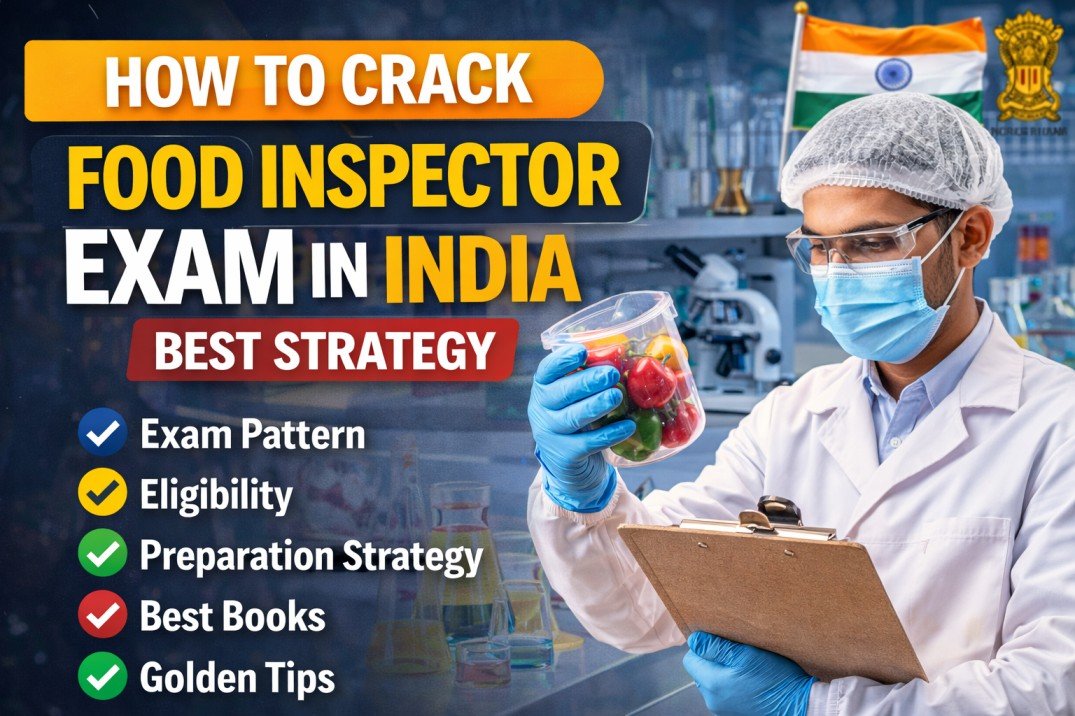
How to Crack Food Inspector Exam in India Best Strategy

Crack Food Inspector Exam in India Best Strategy

Securing a stable government job remains a primary goal for many people. If you want a career checking safety, passing the Crack Food Inspector Exam is your first step. This journey requires a clear plan and steady focus. Developing the Best Study Plan helps you organize every topic without feeling stressed. You should review the syllabus and practice every day. Our guide helps you navigate the process with confidence. Using effective Exam Preparation Tips can boost your score on the test. Staying steady is the real secret for getting this great job. Let’s explore the vital steps to make your goals a reality. Key Takeaways : Crack Food Inspector Exam in India Best Strategy Understanding the Food Inspector Exam in India The Food Inspector Exam is a competitive examination that plays a vital role in maintaining food safety standards in India. It is conducted by various state and central authorities to recruit food inspectors who are responsible for ensuring compliance with food safety regulations. What is the Food Inspector Exam The Food Inspector Exam is designed to test a candidate’s knowledge in areas such as food safety and standards, food science, and general awareness. The exam is crucial for selecting qualified candidates who can effectively oversee the implementation of food safety laws and regulations. Key aspects of the Food Inspector Exam include: Exam Conducting Bodies and Recruitment Process The Food Inspector Exam is conducted by different authorities across India, including state food safety authorities and central agencies like the Food Safety and Standards Authority of India (FSSAI). The recruitment process typically involves a written examination followed by an interview or personal assessment. The exam conducting bodies are responsible for: Exam Conducting Body Role FSSAI Central agency responsible for setting food safety standards State Food Safety Authorities Conduct exams and recruit food inspectors for respective states Career Prospects and Job Responsibilities Food inspectors play a critical role in ensuring that food establishments comply with safety and quality standards. Their job responsibilities include inspecting food establishments, sampling food products, and enforcing food safety regulations. Career prospects for food inspectors include: Eligibility Criteria and Application Process The journey to becoming a Food Inspector begins with meeting the specified eligibility criteria and navigating the application process. To successfully apply for the Food Inspector Exam, candidates must first understand the prerequisites and the steps involved. Educational Qualifications Required Candidates must possess a Bachelor’s degree in any discipline from a recognized university. However, having a degree in science, particularly in subjects like food technology, nutrition, or a related field, can be advantageous. Some positions may also require a postgraduate degree or a diploma in food science or a related discipline. As emphasized by the Food Safety and Standards Authority of India (FSSAI), “a strong educational foundation in sciences is crucial for the role of a Food Inspector.” “A Food Inspector must have a deep understanding of food science and safety regulations to effectively ensure compliance.” FSSAI Guidelines Qualification Description Bachelor’s Degree Any discipline from a recognized university Postgraduate Degree/Diploma Preferred in food science or related fields for some positions Age Limit and Relaxation Norms The age limit for appearing in the Food Inspector Exam varies across different states and recruiting agencies. Generally, the minimum age is 18 years, and the maximum age limit is around 37 years. However, there are relaxations for certain categories such as SC/ST, OBC, and PwD candidates, as per government norms. For instance, OBC candidates are typically granted a relaxation of 3 years, while SC/ST candidates may get a relaxation of 5 years in the upper age limit. How to Apply for the Exam The application process for the Food Inspector Exam is typically conducted online. Candidates need to visit the official website of the recruiting agency, fill out the application form with the required details, and upload necessary documents such as educational certificates and identity proof. After filling out the form, candidates must pay the application fee, which varies based on the category (General, OBC, SC/ST, etc.). It’s crucial to keep a copy of the filled application form and the payment receipt for future reference. Complete Exam Pattern and Marking Scheme Understanding the structure and scoring system of the Food Inspector Exam is vital for effective preparation. The exam is designed to test a candidate’s knowledge, skills, and aptitude for the role of a food inspector Crack … Read more

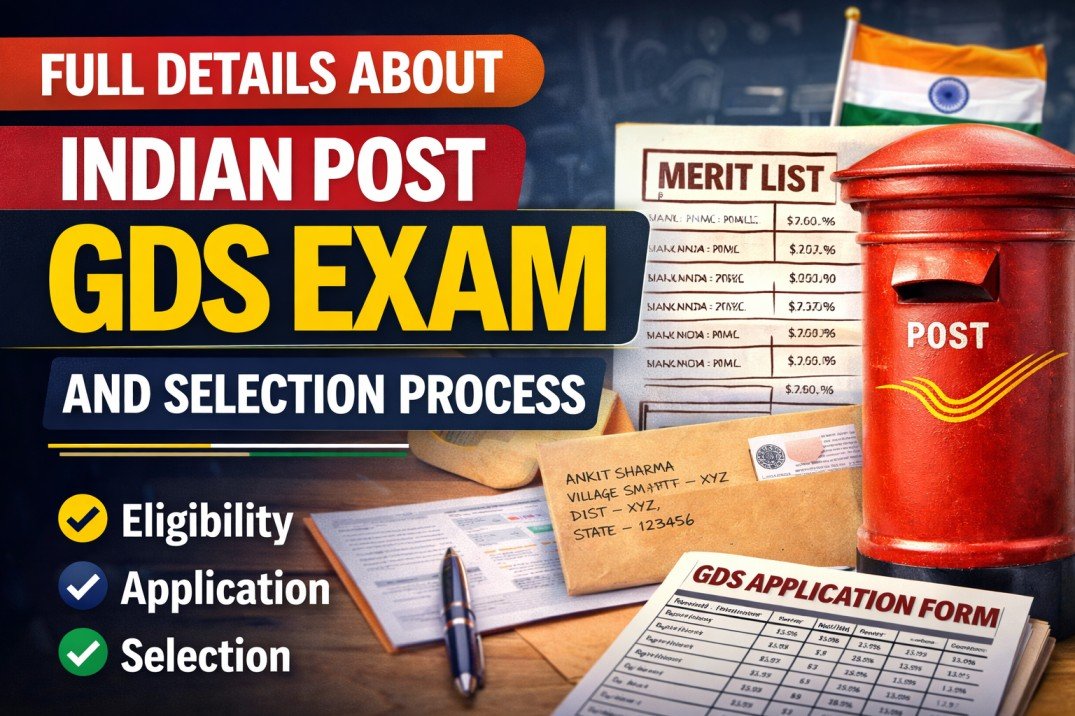
Full Details about Indian Post GDS exam and selection Process

Full Details about Indian Post GDS exam and selection Process

Finding a stable career in the massive postal network can change your life. Many applicants look for clear information on how to join this government service. This guide explores the essential steps for the Indian Post GDS exam to help you prepare well. Understanding the GDS selection process is the first move toward securing a spot. The system focuses on merit, making it a fair way for talented individuals to find work. We aim to simplify the requirements so you can focus on your goals without stress. Joining the postal department offers great community impact and security. You can build a successful future by following the right path today. Stay focused as we break down everything you need to know for a smooth application journey. Key Takeaways : Full Details about Indian Post GDS exam and selection Process Understanding the Indian Post GDS System Understanding the Indian Post GDS system is crucial for those looking to join the postal service. The Gramin Dak Sevak (GDS) system is a vital component of India’s postal network, providing essential services to rural and remote areas. What is Gramin Dak Sevak (GDS) Gramin Dak Sevak (GDS) refers to the personnel who work in the rural areas of India, providing postal services to the local population. The GDS employees are responsible for managing the day-to-day operations of post offices in rural and remote areas. Role of GDS in India Post Operations The GDS plays a significant role in India Post operations by ensuring that postal services are accessible to everyone, regardless of their geographical location. They are responsible for a range of tasks, including: Different GDS Positions Available The GDS cadre includes various positions, each with distinct responsibilities. The main GDS positions available are: Branch Postmaster (BPM) The Branch Postmaster is in charge of managing a branch post office. They oversee the overall operations, including staff management and customer service. Assistant Branch Postmaster (ABPM) The Assistant Branch Postmaster assists the BPM in managing the branch post office. They help with daily operations and customer service. Dak Sevak Dak Sevaks are responsible for delivering mail and performing other tasks as required. They play a crucial role in ensuring that postal services reach remote areas. The GDS positions are vital to the functioning of the postal service in rural India. By understanding the different roles within the GDS cadre, individuals can better prepare themselves for a career in this field. Eligibility Criteria for Indian Post GDS Positions To be considered for the Indian Post GDS positions, candidates must meet specific eligibility criteria. These criteria are designed to ensure that only qualified and suitable candidates are selected for the role. Educational Qualifications Required The educational qualifications for Indian Post GDS positions are crucial in determining a candidate’s eligibility. Minimum Education Standards Candidates must have passed 10th standard or equivalent from a recognized board to be eligible for the GDS positions. Computer Knowledge Requirements Basic computer knowledge is essential for GDS positions. Candidates should be familiar with operating computers and have knowledge of basic computer applications. Age Limit and Relaxations The age limit for Indian Post GDS positions varies based on the category of the candidate. General Category Age Limits For the general category, the minimum age limit is 18 years, and the maximum age limit is 40 years. Age Relaxation for Reserved Categories Reserved categories, such as SC/ST/OBC and others, are provided with age relaxations as per government norms. Category Minimum Age Maximum Age General 18 years 40 years SC/ST 18 years 45 years OBC 18 years … Read more

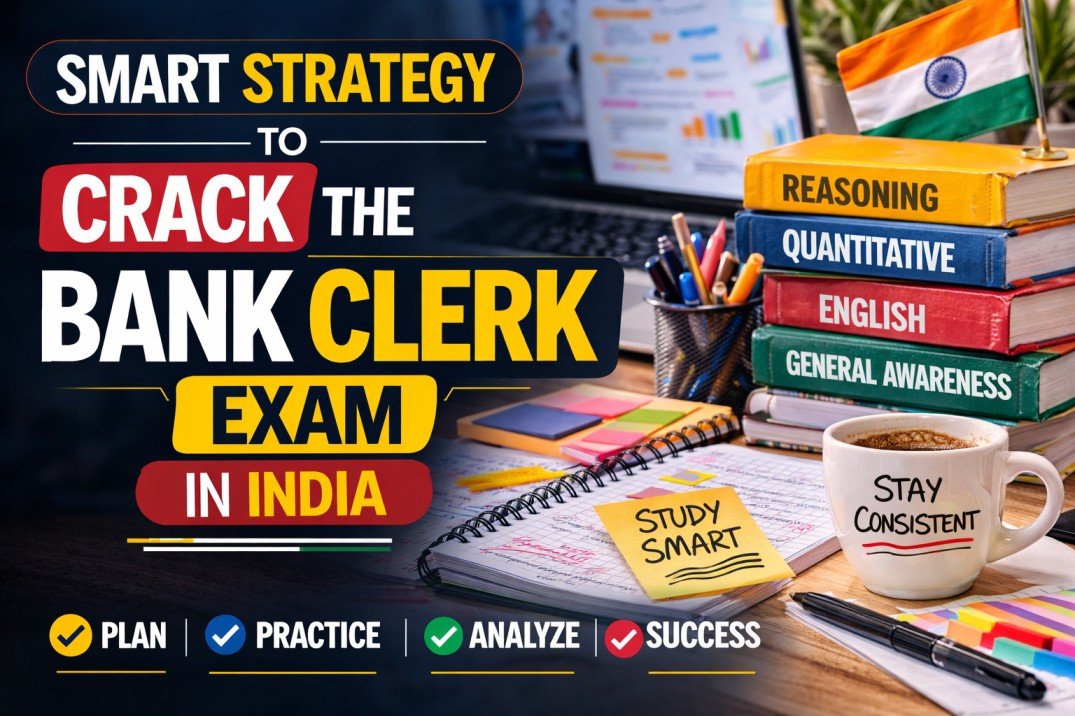
Smart Strategy to Crack the Bank Clerk Exam in India

Smart Strategy to Crack the Bank Clerk Exam in India

Starting a career as a financial professional is an exciting dream for many young students today. While competition feels tough, having a solid plan makes a huge difference for your success. Effective Bank Clerk Exam Preparation requires more than just long hours of studying books. It involves understanding tricky patterns and managing your time well during every practice session. We know how stressful this journey can be when thousands are fighting for the same spot. However, passing these hurdles becomes much easier with a clear and positive mindset. This guide will help you navigate through this noise with a truly smart strategy. You can achieve your goals by focusing on specific topics instead of trying to learn everything. Let’s explore how you can land that stable government job and start your new life. Key Takeaways : Smart Strategy to Crack the Bank Clerk Exam in India Understanding the Bank Clerk Exam Structure and Pattern Understanding the intricacies of the Bank Clerk Exam pattern is crucial for aspirants to devise an effective preparation strategy. The Bank Clerk Exam is conducted in multiple stages, with the preliminary examination being the first hurdle. Preliminary Examination Breakdown The preliminary examination is typically an online test that serves as a screening process. It usually consists of three sections: Reasoning Ability, Numerical Ability, and English Language. The number of questions and time duration may vary across different banking institutions. Main Examination Components The main examination is more comprehensive and assesses a candidate’s knowledge and skills in greater depth. It often includes sections on General/Financial Awareness, General English, and Reasoning & Computer Aptitude, among others. Marking Scheme and Negative Marking Details The marking scheme for the Bank Clerk Exam varies across different banks. Generally, candidates are awarded one mark for each correct answer, and there is a negative marking for incorrect answers, usually a deduction of 0.25 or 0.50 marks. Understanding the marking scheme and negative marking details is crucial for maximizing scores. Aspirants should strategize their attempts, balancing the need to answer as many questions as possible while minimizing incorrect responses. Essential Eligibility Criteria You Need to Know The journey to becoming a bank clerk begins with meeting the essential eligibility criteria. To apply for the Bank Clerk Exam, candidates must fulfill certain requirements set by the banking institutions. Educational Qualifications and Requirements The educational qualifications for the Bank Clerk Exam typically include a bachelor’s degree in any discipline from a recognized university. Some banks may also specify a minimum percentage of marks required in the qualifying examination. Key Educational Requirements: Smart Strategy to Crack the Bank Clerk Exam in India Age Limits and Category-wise Relaxations The age limit for the Bank Clerk Exam varies among banks, but generally, candidates between 18 and 28 years are eligible to apply. There are relaxations in the upper age limit for candidates belonging to reserved categories. Category Age Relaxation General No relaxation SC/ST 5-10 years OBC 3-5 years Persons with Disabilities (PwD) 10-15 years It’s essential for candidates to check the specific eligibility criteria for the bank they are applying to, as these can vary. Smart Strategy to Crack the Bank Clerk Exam in India A smart strategy is crucial for cracking the Bank Clerk Exam in India, and it begins with a personalized study plan. To achieve success, it’s essential to understand the exam’s structure and tailor your preparation accordingly. Creating Your Personalized Study Blueprint Creating a Personalized Study Blueprint involves understanding your strengths and weaknesses. Start by assessing your current knowledge level and identifying areas that need improvement. Make a list of all the topics you need to cover and allocate time to each based on their importance and your proficiency. Setting Achievable Goals and Monthly Milestones Setting Achievable Goals is vital for maintaining motivation throughout your preparation journey. Break down your study plan into monthly milestones to track your progress effectively. These milestones should be challenging yet realistic, allowing you to stay focused and adjust your strategy as needed. Balancing Speed with Accuracy for Maximum Scores Balancing speed with accuracy is critical in the Bank Clerk Exam. Practice under timed conditions to enhance your speed without compromising accuracy. Regular practice with mock tests will help you achieve this balance. The 80-20 Rule for Exam Preparation The 80-20 Rule suggests that 80% of your results come from 20% of your efforts. Identify the most critical topics and focus on them to maximize your score. This rule helps in optimizing your study plan, ensuring that you allocate your time effectively. Progressive Learning Techniques Progressive Learning Techniques involve gradually increasing the difficulty level of your study materials. This approach helps in reinforcing previously learned concepts while challenging you with new ones. Using a combination of study materials and online resources can facilitate progressive learning. Mastering Quantitative Aptitude for Maximum Marks Mastering the Quantitative Aptitude section is crucial for achieving maximum marks in the Bank Clerk Exam. This section tests a candidate’s mathematical skills and ability to solve problems quickly and accurately. To excel in this section, it’s essential to focus on key areas such as Number Systems, Data Interpretation, and Advanced Arithmetic Problem Solving. By strengthening these areas, candidates can significantly improve their overall score. Number Systems and Simplification Tricks … Read more

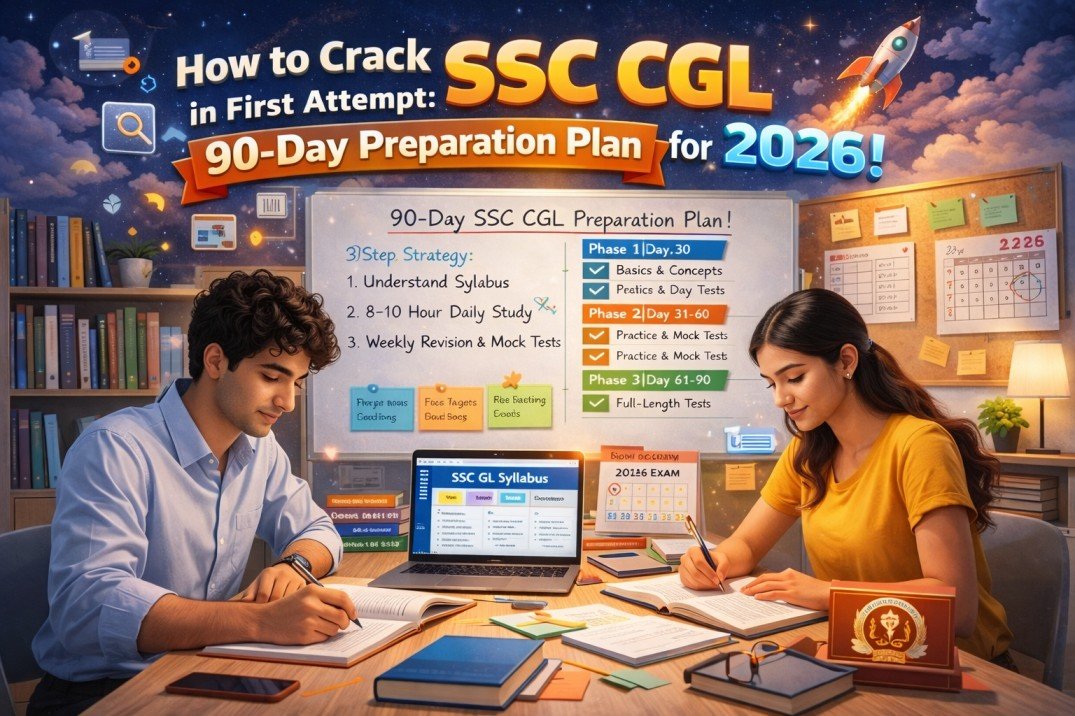
How to crack SSC CGL in first attempt get 90 day plan

How to crack SSC CGL in first attempt get 90 day plan

Starting a new career path feels exciting yet challenging for many ambitious candidates seeking professional advancement. Many students dream of passing this competitive government exam on their very start to secure a stable future. A solid strategy makes all the difference when you want proven results in your career today. Success requires more than just hard work and individual dedication. It demands a structured 90-day study plan covering the entire comprehensive syllabus. Using high-quality exam resources ensures you stay ahead of others during the rigorous selection process. Focus on consistency and frequent goals reaching your peak performance during these months. You can achieve your goals with the right mindset and necessary tools. This guide provides a clear roadmap for success. Staying organized helps reduce stress during the learning process significantly. Monitoring progress remains vital while adjusting your schedule regularly based on your needs. Let’s dive into the details. Key Takeaways : How to crack SSC CGL in first attempt get 90 day plan Understanding the SSC CGL Exam Structure The SSC CGL exam is not just about knowledge; it’s also about understanding its intricate structure. To crack it in the first attempt, one must delve into the details of its various components. Exam Tiers and Their Importance The SSC CGL exam is conducted in multiple tiers, each designed to test different aspects of a candidate’s abilities. These tiers are: Each tier has its significance, and understanding the format and content of each is crucial for effective preparation. Marking Scheme and Time Allocation The marking scheme and time allocation vary across tiers. For instance, Tier I is a computer-based test with negative marking for incorrect answers, while Tier II has different papers with varying marking schemes. Key aspects to focus on: How to crack SSC CGL in first attempt get 90 day plan Eligibility Criteria and Age Limits Before diving into preparation, it’s essential to check if you meet the eligibility criteria and are within the age limits set by the SSC for the CGL exam. Eligibility criteria include: Why a 90-Day Plan Works for SSC CGL Preparation Cracking the SSC CGL in the first attempt is a challenging task, but with a well-structured 90-day plan, aspirants can significantly enhance their chances of success. The key to this success lies in understanding the effectiveness of intensive short-term preparation. The Science Behind Short-Term Intensive Preparation Short-term intensive preparation, like a 90-day plan, leverages the psychological aspect of focused learning. When candidates dedicate themselves to a rigorous study schedule, they can achieve a high level of concentration and retention. This approach helps in quick revision and practice, which are crucial for exams like SSC CGL. Success Stories from First-Time Qualifiers Many candidates have successfully cracked the SSC CGL in their first attempt using a 90-day plan. Their stories highlight the importance of strategic planning and consistent effort. For instance, a candidate might focus on weak areas and improve them significantly over the 90 days. Candidate Strategy Outcome Candidate A Focused on weak areas Qualified SSC CGL Tier I Candidate B Intensive practice Scored high in Tier II Candidate C Regular mock tests Achieved overall success Setting Realistic Goals and Expectations To make the most of a 90-day plan, it’s crucial to set realistic goals. Candidates should assess their current level of preparation and identify areas that need improvement. By doing so, they can create a tailored study plan that addresses their weaknesses. How to Crack SSC CGL in First Attempt Get 90 Day Plan: Complete Breakdown To ace the SSC CGL exam in one attempt, a focused 90-day preparation strategy is essential. This section provides a comprehensive breakdown of how to structure your study plan over 90 days to ensure you’re well-prepared for the exam. Month 1: Building Strong Foundations (Days 1-30) The first month is crucial for building a strong foundation. It involves understanding the exam pattern and focusing on basic concepts. Week 1-2: General Intelligence and Reasoning During the first two weeks, concentrate on General Intelligence and Reasoning. This includes topics like analogies, coding-decoding, and logical reasoning. Practice these topics regularly to build a strong base. Week 3-4: Quantitative Aptitude Basics The next two weeks should focus on Quantitative Aptitude basics. Start with fundamental concepts such as arithmetic, algebra, and geometry. Regular practice will help in improving problem-solving skills. Month 2: Advanced Concepts and Practice (Days 31-60) The second month is about delving into advanced concepts and practicing them. Week 5-6: English Language Mastery Weeks 5 and 6 should be dedicated to mastering the English Language. Focus on comprehension, grammar, and vocabulary. Reading comprehension passages and practicing grammar exercises will be beneficial. Week 7-8: General Awareness Deep Dive … Read more

MPSC preparation strategy for beginners 2026

MPSC preparation strategy for beginners 2026

Starting a new journey feels exciting yet a bit overwhelming at times. You might wonder how to tackle this massive syllabus effectively. Having a solid plan is your first step toward reaching real success. Understanding the exam format helps you focus on what truly matters. It allows you to build a strong foundation without wasting precious time on irrelevant topics. A structured approach ensures you stay consistent every single day. A clear path makes the entire process enjoyable and very manageable for everyone. Let us dive into this beginner’s guide to MPSC to kickstart your journey today. You have the potential to achieve something truly great. With the right mindset, your MPSC 2026 preparation will lead you to incredible heights. Stay motivated and keep your eyes on the ultimate prize. Your dedication will surely pay off in the end. Key Takeaways Understanding the MPSC Examination Structure Understanding the MPSC exam structure is vital for effective preparation. The Maharashtra Public Service Commission (MPSC) conducts various exams to recruit candidates for different government positions in Maharashtra. What is MPSC and Why It Matters for Your Career The MPSC is a state-level organization responsible for conducting competitive exams to fill various government vacancies. Clearing the MPSC exam can open doors to prestigious government jobs, offering job security, social respect, and a chance to serve the community. Career Opportunities: The MPSC exam provides opportunities to work in various departments of the Maharashtra government, including administrative, technical, and other fields. Three Main Stages: Prelims, Mains, and Interview Explained The MPSC exam process typically consists of three stages: Preliminary Examination (Prelims), Main Examination (Mains), and a Personal Interview. Popular Positions You Can Aim For Through MPSC The MPSC exam offers a range of career opportunities in various fields. Some of the popular positions include: Position Description Deputy Collector A key administrative role involving policy implementation and management. Assistant Commissioner Involves administrative and revenue-related tasks. Sales Tax Inspector Responsible for ensuring compliance with tax laws. These roles not only offer a stable career but also the chance to make a meaningful impact on society. Eligibility Criteria and Important Dates for 2026 Understanding the eligibility criteria for MPSC 2026 is crucial for aspiring candidates. The Maharashtra Public Service Commission (MPSC) exam has specific requirements that candidates must fulfill to be eligible for the examination. Educational Qualifications You Need to Meet Candidates must possess a bachelor’s degree from a recognized university or institution to be eligible for the MPSC exam. The degree can be in any discipline, but it’s essential to check the specific requirements for the desired post, as some positions may require specialized qualifications. For instance, for certain technical or professional posts, candidates may need to have a degree in a relevant field such as engineering, medicine, or law. Post Required Educational Qualification Administrative Officer Bachelor’s degree in any discipline Technical Officer Bachelor’s degree in relevant engineering discipline Medical Officer MBBS degree Age Limits and Category-Wise Relaxations The MPSC exam has specific age limits for MPSC that candidates must adhere to. Generally, the minimum age limit is 18 years, and the maximum age limit varies depending on the category and the specific post applied for. Category-wise relaxations are provided as per government norms. For example, candidates from reserved categories such as SC/ST/OBC may get relaxations in the upper age limit. Critical MPSC 2026 Exam Dates to Remember Aspirants should be aware of the MPSC exam dates 2026 to plan their preparation accordingly. While the exact dates for 2026 are subject to change, candidates can refer to the previous year’s exam schedule for a rough idea. The MPSC exam typically consists of three stages: Prelims, Mains, and Interview. Candidates should mark their calendars for these critical dates and start preparing well in advance. Complete MPSC Preparation Strategy for Beginners 2026 To achieve success in the MPSC exam, beginners need a robust preparation strategy tailored to their needs. This involves understanding the exam’s structure, creating a study plan, and staying committed to their goals. Building Your Personalized Study Roadmap from Scratch Creating a study roadmap is the first step towards a successful MPSC preparation journey. It involves identifying the syllabus, gathering resources, and allocating time to each subject based on its weightage and your proficiency. Setting Achievable Goals and Monthly Milestones Setting clear, achievable goals is crucial for maintaining motivation and tracking progress. Break down your study plan into monthly milestones to stay focused. Key aspects to consider: How to Balance MPSC Preparation with Work or College Balancing MPSC preparation with other responsibilities requires effective time management. Create a schedule that accommodates your study time, work, or college commitments. Tips for balancing: Deciding Between Self-Study and Coaching Classes Choosing between self-study and coaching classes depends on your learning style, discipline, and resources. Both methods have their advantages and can be effective when used correctly. Consider the following: … Read more

Top 10 courses in 2026 that can help you get your first job faster

Top 10 courses in 2026 that can help you get your first job faster

Finding a path into a new profession feels overwhelming today. As technology moves quickly, staying ahead of the curve is essential for every newcomer. Investing within professional growth ensures people remain competitive as the landscape shifts. The current job market demands more than a degree. It requires specific, in-demand skills to solve real problems. Choosing a right path early drastically shortens the search for a new job. By focusing on career development, students build a foundation lasting a lifetime. These courses provide an edge within various sectors. Mastering certain tools makes candidates stand out to recruiters immediately. Key Takeaways : Top 10 courses in 2026 that can help you get your first job faster 1. Data Analytics and Business Intelligence Top 10 courses in 2026 that can help you get your first job faster As businesses increasingly rely on data to make informed decisions, the demand for professionals skilled in Data Analytics and Business Intelligence is on the rise. This course is designed to equip learners with the essential skills needed to interpret complex data and drive business strategies. Core Skills and Tools You’ll Master The course covers a range of core skills and tools that are highly valued in the industry. Key areas of focus include: Python, SQL, and Tableau Fundamentals Learners will gain a solid foundation in Python programming, SQL for data querying, and Tableau for data visualization. These tools are essential for data analysis and business intelligence. Data Visualization Techniques Effective data visualization is critical for communicating insights to stakeholders. The course teaches various data visualization techniques to present complex data in a clear and actionable manner. Why Employers Prioritize Data Skills Employers prioritize data skills because they enable businesses to make data-driven decisions, improve operational efficiency, and gain a competitive edge. As noted by “Data is the new oil,” a phrase coined by Clive Humby, highlighting the value of data in today’s business landscape. Entry-Level Career Paths and Salaries Graduates of this course can pursue various entry-level career paths, including data analyst, business intelligence analyst, and data scientist. Here is a snapshot of potential salaries: Job Title Average Salary (USD) Data Analyst $65,000 Business Intelligence Analyst $73,000 Data Scientist $118,000 2. Full-Stack Web Development … Read more